GIRLS IN STEAM
Problem Statement
Girls and young women in Northern Nigeria face systemic barriers to participating in science, *technology, engineering, arts, and mathematics (STEAM). Limited access to digital tools, gender norms, and inadequate learning opportunities continue to widen the digital gender divide, restricting girls’ educational and economic prospects.
Target Beneficiaries
● Adolescent girls and young women (15–30 years)
● Secondary school students and school leavers
● Girls from underserved and low-income communities in Kano State
Program Structure & Duration
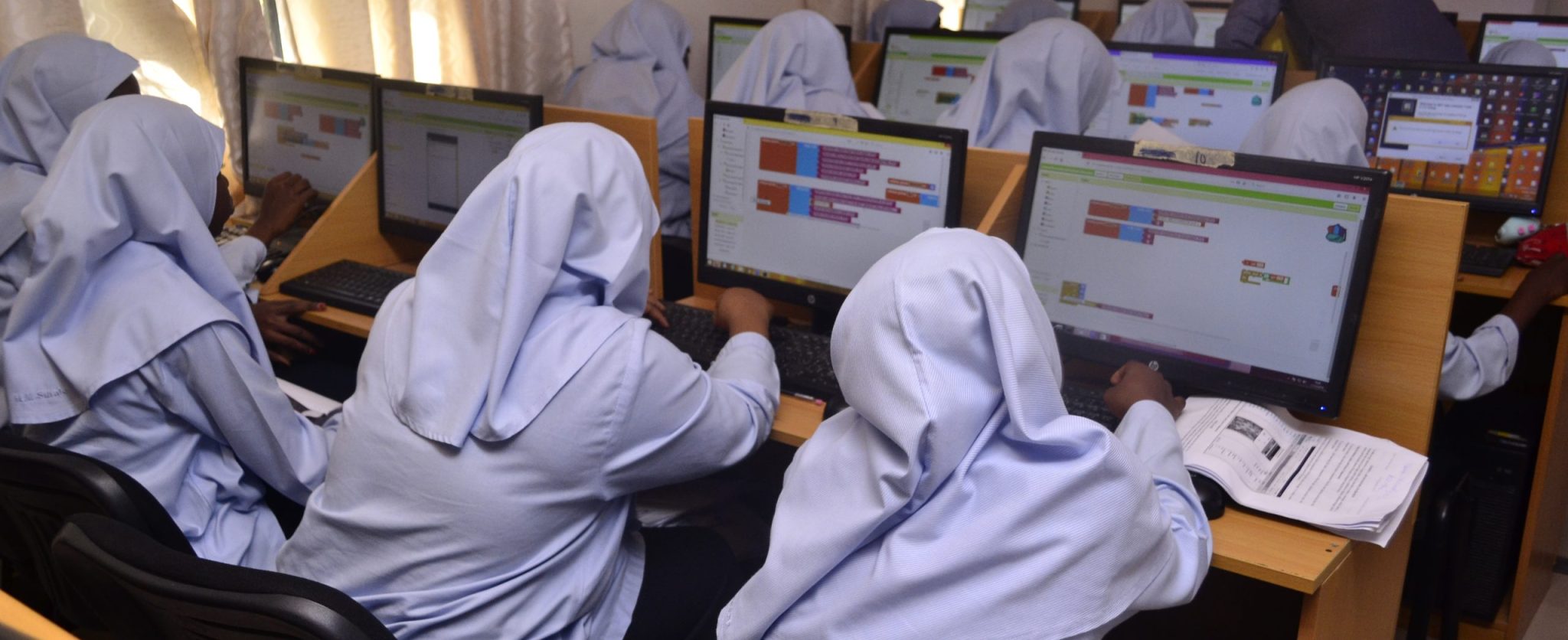
The Girls in STEAM program is delivered through structured training sessions combining theory
and hands-on practice:
● Digital literacy and foundational tech skills
● Introduction to STEAM concepts
● Content creation and digital tools
● Mentorship, teamwork, and confidence-building sessions
Programs are delivered through:
● School-based trainings
● Community workshops
● Short-term bootcamps and extended learning cycles
Skills & Outcomes
Participants gain:
● Foundational digital and STEAM skills
● Improved confidence in using technology
● Exposure to career pathways in STEAM fields
● Practical skills for education, entrepreneurship, and employment
Program outcomes include:
● Increased participation of girls in digital learning
● Improved digital confidence and competence
● Enhanced readiness for further education or income-generating opportunities
Combatting FGM Through Digital Skills
With support from UNFPA, the United Nations sexual and reproductive health agency, Steamledge Community implemented Combatting FGM Through Digital Skills—an initiative designed to equip adolescent girls with the digital knowledge and tools to advocate against Female Genital Mutilation (FGM). While Steamledge was not an implementing partner, funding disbursed via Empowering Voices Africa (EVA) enabled the team to train 120 girls—50 in Kano and 70 in Jigawa, at Dutse Mega Secondary School and College Demonstration Senior Secondary School, Gumel.Training Activities
The program was hands-on and practical, organized into four core activities:- Basic Computing Skills & Internet Safety Girls learned essential computer operations, internet browsing, email setup, and how to stay safe online—building a foundation for digital confidence.
- Social Media Management Participants explored platforms like Facebook and Instagram, gaining skills to manage accounts and engage effectively with digital audiences.
- Social Media Strategy Development This phase focused on advocacy planning. Girls created content calendars and campaign goals for the #EndFGMNow movement.
- Campaign Launch & Audience Engagement Participants launched the #EndFGMNow campaign online, posting content, engaging with comments and DMs, and sparking conversation on ending FGM.